
Overview
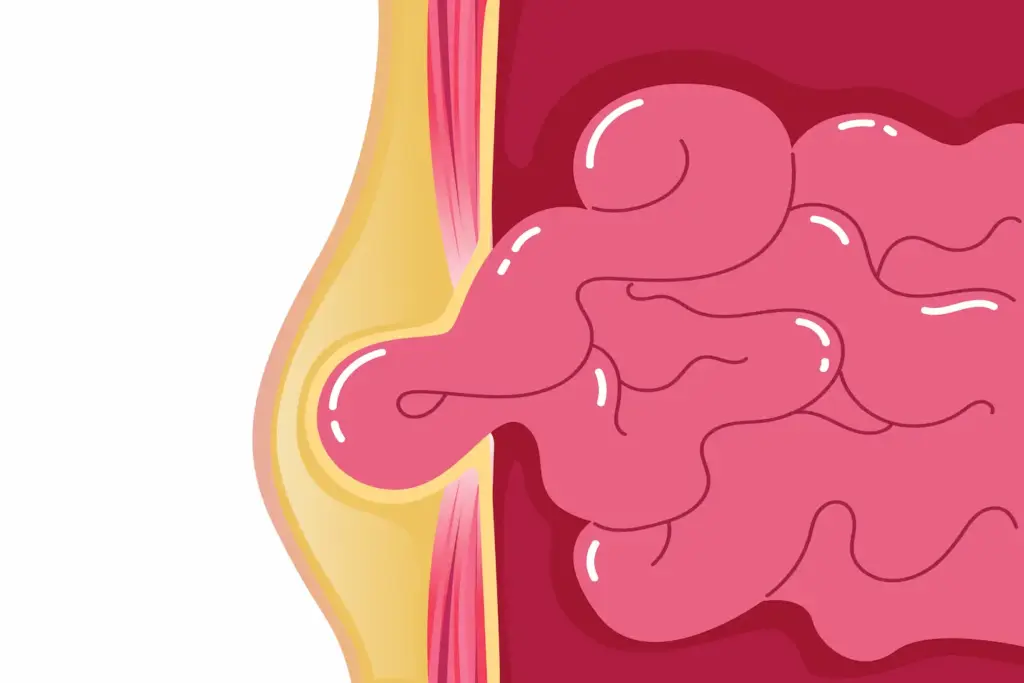
An umbilical hernia occurs when abdominal tissue pushes through a weakness in the muscle wall at or near the navel. It may cause a visible bulge, localised discomfort, or a feeling of pressure particularly when coughing, lifting, or straining. While small umbilical hernias can be monitored, those causing symptoms or increasing in size are best addressed surgically. Mr Woodward performs umbilical hernia repair routinely and can advise on the most appropriate timing and technique.
Conditions Treated
- Primary umbilical hernia
- Para-umbilical hernia (near the navel)
- Symptomatic umbilical hernia
- Umbilical hernia in adults
- Enlarging umbilical hernia
The Procedure
The repair is performed under general or local anaesthesia and typically takes less than an hour. A small incision is made near the navel, the protruding tissue is returned to the abdominal cavity, and the muscle wall is closed and reinforced using mesh or sutures depending on the size of the defect and patient preference. Most patients are discharged on the same day.
Recovery & Aftercare
Umbilical hernia repair is well tolerated by most patients. Mild discomfort around the navel is normal for the first week and is managed with standard pain relief. Light activity can resume after one to two weeks, with a full recovery expected within four to six weeks. Mr Woodward provides clear written aftercare guidance and a follow-up appointment.
Frequently Asked Questions
Does an umbilical hernia need to be repaired?
Not always. Small, symptom-free hernias can be monitored. However, if the hernia is growing, painful, or causing concern, surgical repair is advisable.
Is the procedure performed as a day case?
Yes, in the vast majority of cases. Most patients return home on the same day as their umbilical hernia procedure with no overnight stay required.
Will there be a visible scar after the repair?
A small incision is made close to the natural curve of the navel, making any resulting scar as discreet as possible. Mr Woodward takes care to minimise visible scarring.